
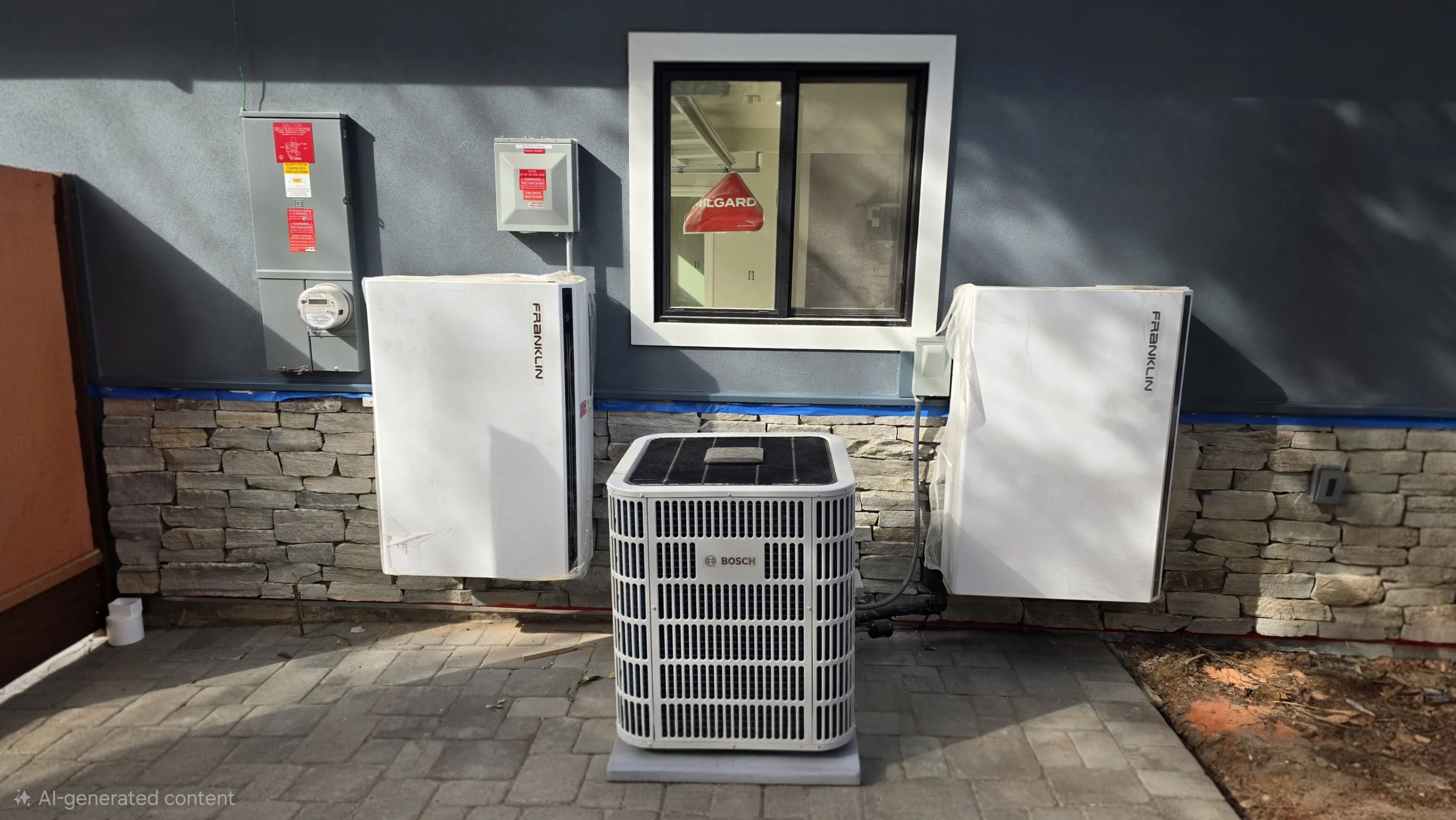
Steps to Completing Your Project
The 3-Step Compliance Process
-
The "plan" registered with the state before work begins.
-
The contractor certifies they installed the system to code.
-
The final "pass" certificate required to close your permit.
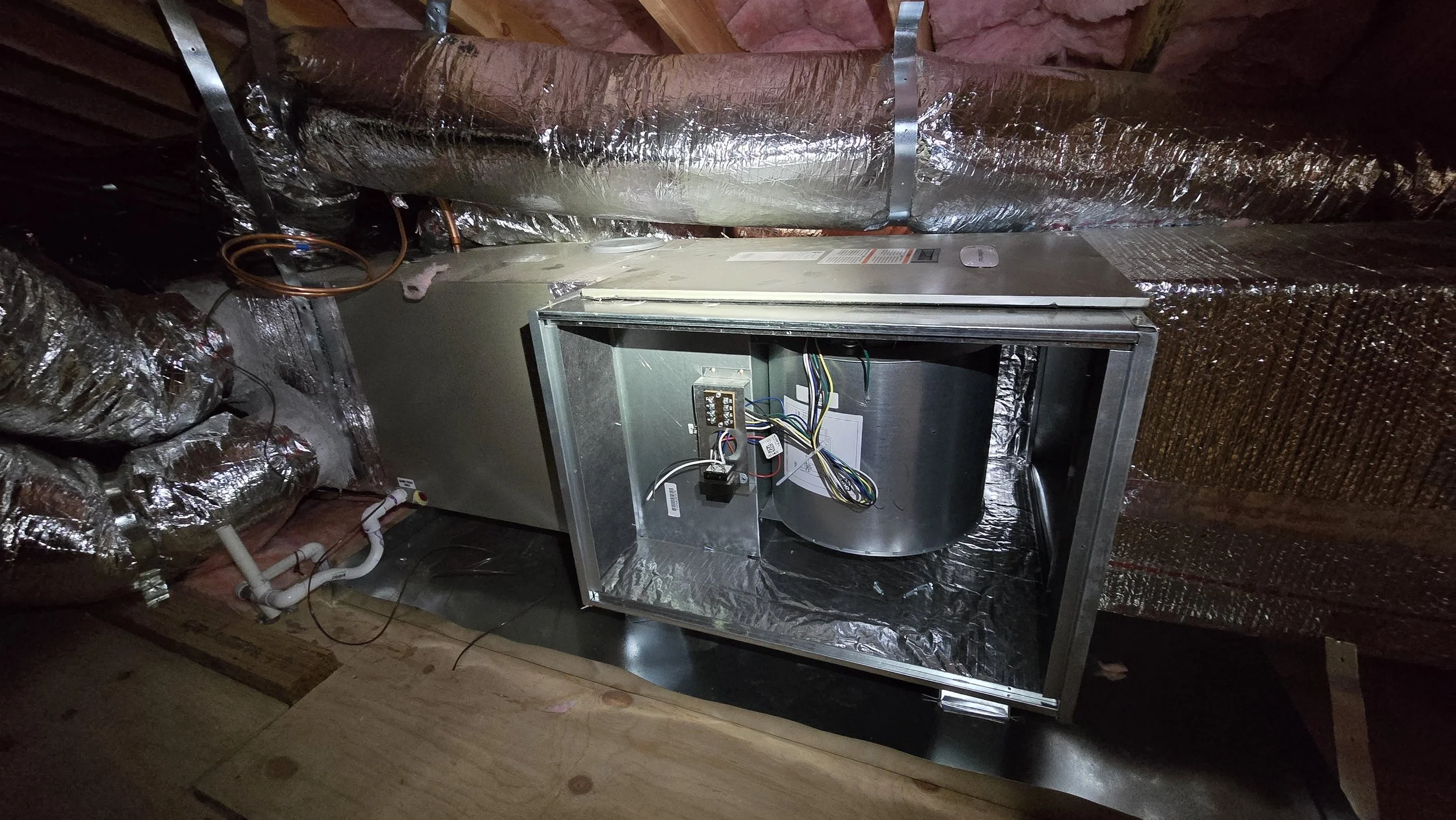
For HVAC Change-Outs:
Unlike new construction, which has more exhaustive requirements, a standard change-out focuses on these four areas:
-
Even the best AC unit will waste money if the air leaks into your attic.
The Standard: For existing ductwork, leakage must be 10% or less of the total system airflow (down from 15% in older codes).
Complete Replacement: If you replace more than 75% of your ducts, the limit is tightened to 5%.
The Test: An ECC-Rater uses a "Duct Blaster" fan to pressurize your system and measure air loss.
Exemptions: if the project involves less than 40 linear feet of new ducting, contains asbestos, has been previously certified, or is physically inaccessible and verified via an alternative smoke test and visual inspection.
-
To prevent the system from overworking or freezing up, it must move enough air across the coils.
The Standard: Most systems must move at least 350 CFM (Cubic Feet per Minute) per ton of cooling capacity.
The Test: The rater uses a specialized flow hood or pressure sensors to verify the blower's output.
-
This measures how much electricity your furnace or air handler uses to move air.
The Standard: The system must not exceed 0.58 Watts per CFM (for most modern heat pumps and furnaces).
The Test: A power meter is used to measure the actual wattage consumption while the system is running at full capacity.
-
If a new outdoor condenser or heat pump is installed, the coolant level must be exact.
The Requirement: Mandatory in Climate Zones 2 and 8–15.
The Test: The rater uses digital gauges to ensure the "subcooling" or "superheat" matches the manufacturer’s precise specifications.
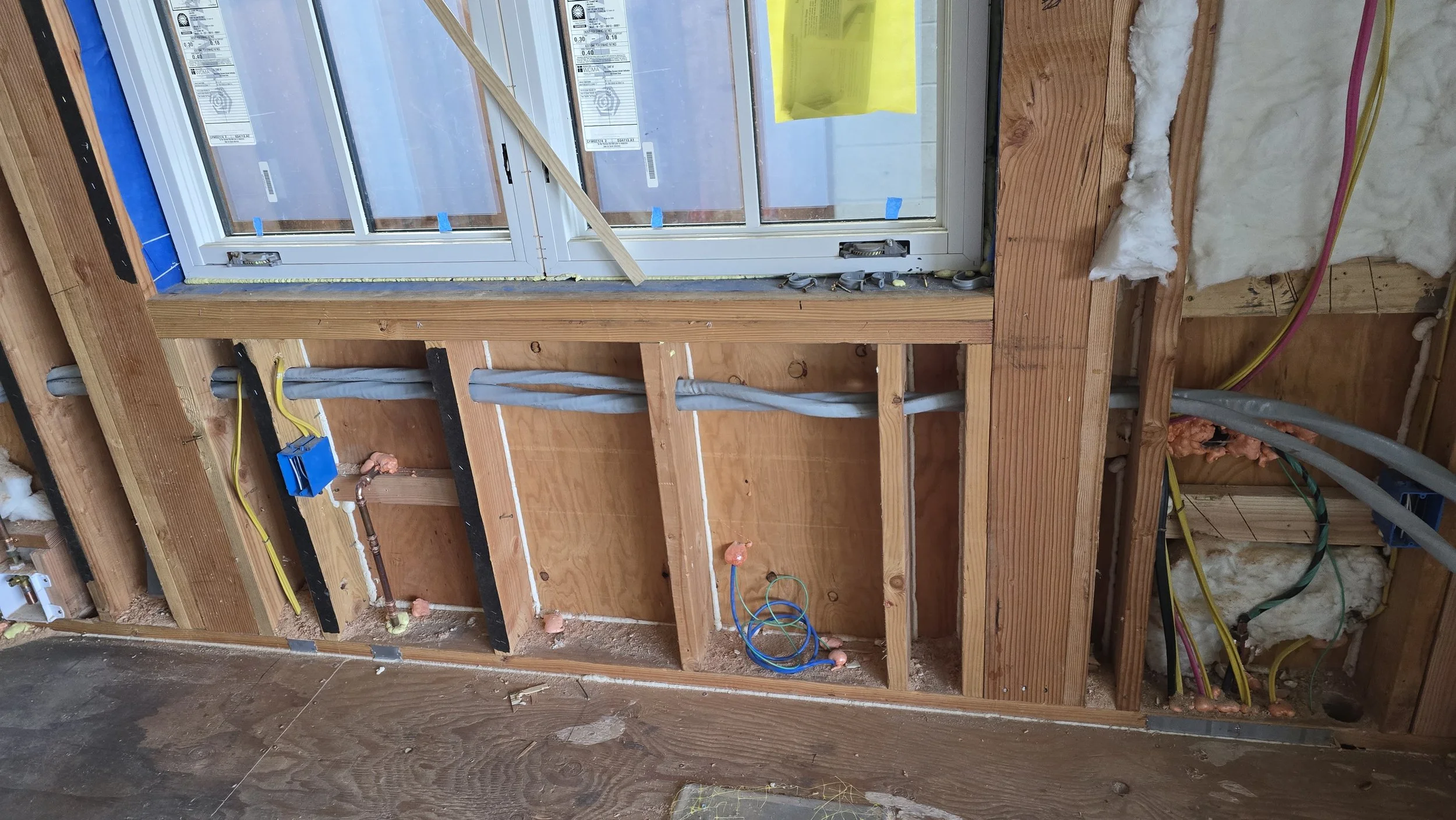
For New Construction/Remodels:

Design & Coordination
Before finalizing plans, clarify with your architect who will be designing the Title 24 calculations. If their designer does not offer consultation, we strongly recommend having them collaborate with us directly. This ensures your energy design is not just compliant on paper, but practical for construction and living. (Note: collaboration may incur additional coordination fees.)

Rough-In & Verification Once permits are pulled and construction begins, contact us immediately to schedule "Rough" inspections.
QII (Quality Insulation Inspection): Must be performed during the framing stage.
Appliance Verification: We can verify that your HVAC, water heater, and exhaust fans meet the specific efficiency ratings in your Title 24 report before you install them. This prevents costly inspection failures later.

Final Inspection & Certification After construction is complete, we will perform the final on-site inspection. We test and verify all ECC/HERS measures listed on your Title 24 report (typically found on pages 3, 4, or 5). Once all systems pass, we issue the final certification required to close out your permit.
💡 Pro Tip: Avoid Costly Re-Installations
Your Title 24 report is a custom calculation specific to your project, not a general standard. This means a standard water heater or A/C unit sold at a big-box store might not be efficient enough to meet your specific requirements.
Always send us your equipment model numbers for verification before you purchase or install them. Taking this step ensures you don't fail inspection and prevents the nightmare of having to rip out and replace brand-new equipment.